You don't need much to start hiking. A pair of shoes you trust, a bottle of water, a snack, and a route that ends before your legs start filing complaints. Most of the gear lists floating around online are written for big days — overnights, alpine starts, trips hours from the nearest road. For a first day hike, the goal is simpler. Get outside, stay comfortable, and come home wanting to do it again.
Pick a Route Shorter Than You Think You Want
The most common first-hike mistake is choosing a trail because the photos look good rather than because the numbers make sense. Look for two to four miles round trip with under 500 feet of elevation gain. That's a walk of an hour or two at a relaxed pace, plus time for snacks and staring at things.
Read the route description twice. Note the trailhead name, where you park, and whether it's a loop or an out-and-back. A loop is more interesting; an out-and-back is easier to bail on, which is a feature, not a flaw. Look at the elevation profile, not just the distance. Two flat miles and two miles of steady climbing feel like completely different sports.
Check recent trail reports for blowdowns, mud, or closures, and check the sunset time. Give yourself at least an hour of daylight as a buffer before you plan to be back at the car. Then tell someone at home where you're going and when you expect to return. That single text message is the cheapest safety equipment you own.
What to Wear: Layers, Not Armor
You don't need technical clothing to walk a trail. You need clothes that dry, breathe, and can be added or removed as your body temperature swings. Hiking is a series of small climate changes: you're cold at the trailhead, hot ten minutes in, chilly again the moment you stop for lunch on a ridge.
The three layers that do the work
A base layer against your skin — a synthetic t-shirt or a merino wool one. Avoid cotton for anything that touches sweat, because it holds moisture, dries slowly, and pulls heat away from you when you slow down. A mid layer, usually a light fleece or a thin puffy jacket, lives in your pack until you stop moving. A shell handles wind and light rain. On a warm, calm day you may never touch the last two. Bring them anyway.
Shorts or light hiking pants both work; pants protect better against brush, sun, and ticks. Add a hat, sunglasses, and sunscreen for exposed sections, even on cloudy days.
Feet deserve their own paragraph
Any shoe with a grippy sole and a snug fit will handle an easy trail — trail runners, light hiking shoes, or the sturdy sneakers already in your closet. What matters more is that they're broken in and not brand new. Pair them with wool or synthetic socks, not cotton, and lace them firmly enough that your heel stays put on downhills. Loose shoes plus downhill miles equals blisters on the back of your heel. If it's the first outing for a pair of boots, make it a short one.
The Ten Essentials, Sized for a Day Hike
The classic "ten essentials" list exists so that a small problem — a twisted ankle, a wrong turn, a storm that arrives early — stays small. Here's the day-hike version:
- Navigation: a paper map or downloaded offline map, plus your phone charged and in airplane mode to save battery.
- Water: one to two liters for a short hike, more in heat or at altitude.
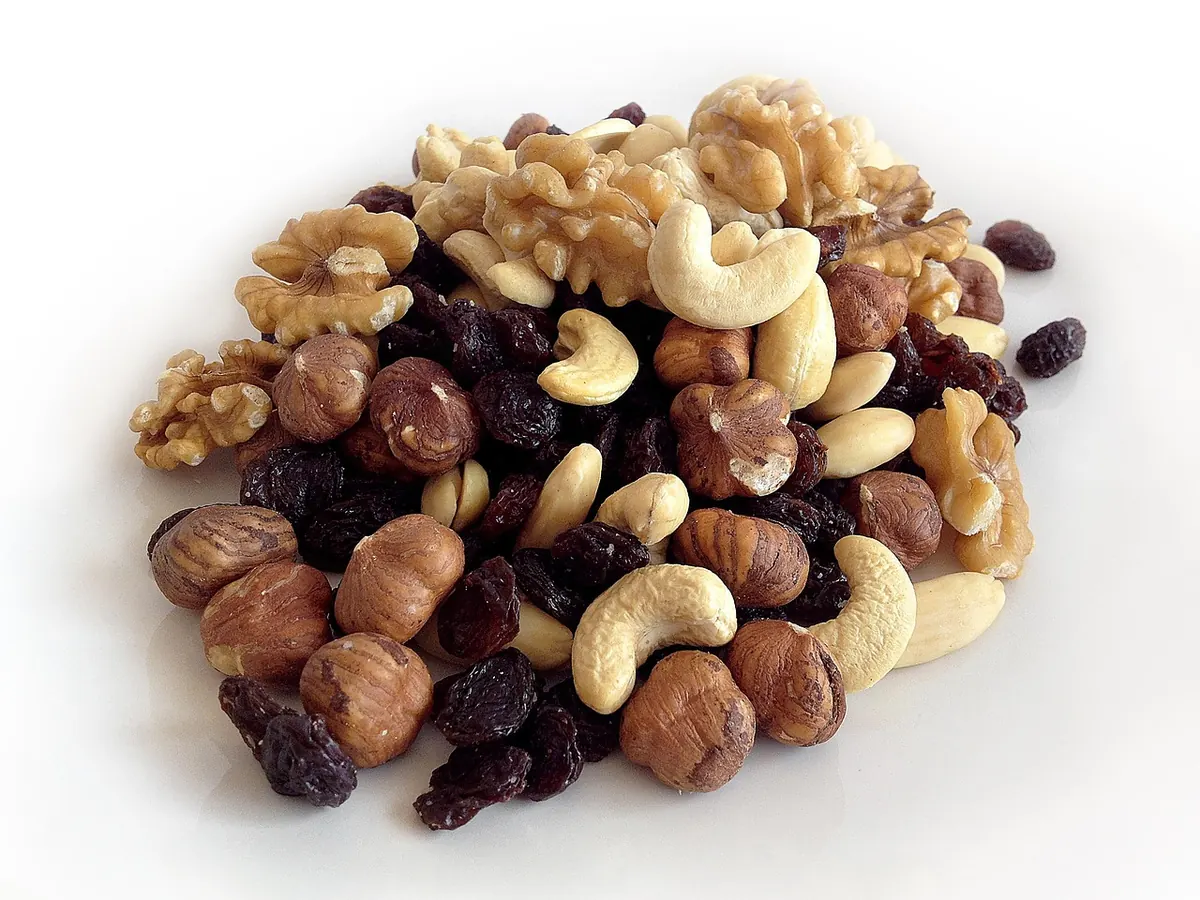
- Food: more than you think you need. Nuts, a sandwich, dried fruit, something salty.
- Insulation: the fleece or puffy layer you hope not to wear.
- Light: a small headlamp, even for a morning hike. Delays happen.
- First aid: a few bandages, blister patches, pain reliever, and any personal medication.
- Sun protection: sunscreen, lip balm, hat, sunglasses.
- Knife or multitool: a small one is plenty.
- Fire: a lighter in a zip bag. You probably won't use it.
- Shelter: an emergency blanket or lightweight bivy, roughly the size of a deck of cards.
All of this fits in a 15- to 25-liter daypack with room left for a jacket. Pack the heavier items in the middle and against your back, keep water within reach, and put the map and snacks in a pocket you can open without taking the pack off.
Trail Etiquette, Minus the Lecture
Mountain trails run on a few unwritten courtesies, and knowing them makes you a better trail neighbor immediately. Uphill hikers generally have the right of way because stopping and restarting on a climb is harder than on a descent; if you're heading down, step aside when it's easy and safe to do so. Step off on the downhill side of the trail, not the side with the drop.
Stay on the trail. Cutting switchbacks erodes the slope and takes years to repair. Let faster hikers pass when there's room, and announce yourself politely rather than silently appearing behind someone. Keep music off the speaker or use headphones, because most people are out there for quiet. Dogs belong on a leash wherever it's required, and their waste goes in a bag and out with you.
Pack out everything you bring, including fruit peels and apple cores. If nature calls, walk well away from water and the trail and bury waste in a shallow cathole; carry out used toilet paper in a bag. Don't feed wildlife, no matter how bold the chipmunks are. Check the local rules for your specific area, since land managers sometimes differ on who yields to whom.
What to Expect on the Trail
The first fifteen minutes will feel harder than you expected, then your breathing settles and it gets easier. Trail pace is slower than sidewalk pace — two miles an hour on rolling ground is completely normal, and that's not a sign you're unfit.
You'll get hungry sooner than usual and should eat something roughly every hour rather than waiting until you're starving. Blisters tend to announce themselves around mile three; stop and treat them the moment you feel a hot spot, because a patch now beats a painful week later. Terrain includes roots, loose rock, and mud, so watch your feet on descents. Weather shifts faster than it does in town, especially when the sun drops behind a ridge.
If you have a heart or lung condition, joint problems, or you're returning to activity after a long break, talk with a doctor before you head out. That's a sensible first step, not a dramatic one.
Make the First One Easy on Purpose
Set a turnaround time before you start, and honor it even if the summit looks close. Ending a hike while you still like the idea of hiking is the whole trick — it's what turns a one-time experiment into a habit. On the drive home, make a two-line note on your phone: what you used, and what you wished you'd brought. Maybe you never touched the puffy jacket. Maybe you finished your water an hour early. That note, not a shopping spree, is what will make your second hike better than your first.
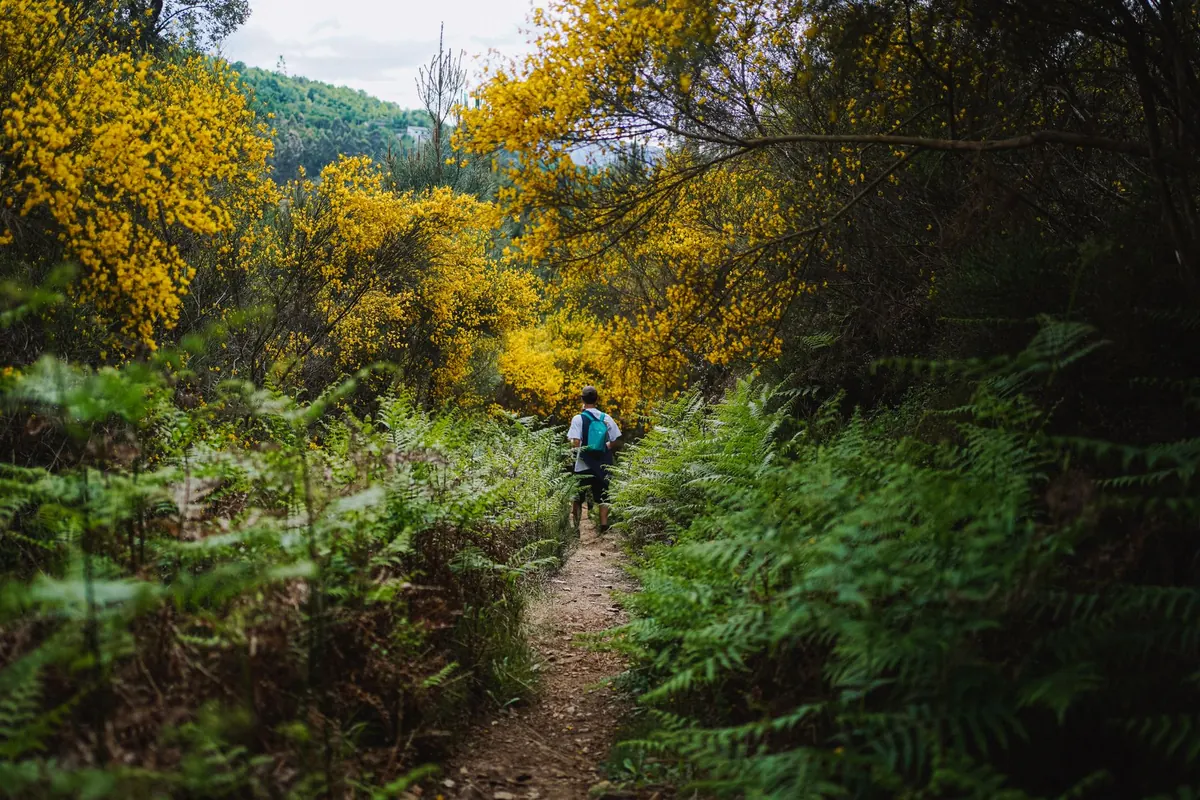
Photo: Diogo Miranda / Pexels