Trail Snacks That Actually Fuel a Long Hike: A Simple Nutrition Guide
Somewhere around mile eight, the view stops doing the work for you. Your legs feel hollow, your mood sours, and every switchback looks like a personal insult. Most of the time that isn't a fitness problem, it's a fuel problem. Feeding a long hike comes down to three things: calories, carbohydrates, and salt, delivered on a schedule your stomach can tolerate.
That last part matters more than most gear lists admit. A snack can be calorically perfect and still fail if it's frozen solid, crushed to dust, or so sweet that you'd rather carry it another five miles than eat it. The best trail food is the food you'll actually reach for when you're tired, slightly grumpy, and not thinking clearly. This guide keeps the nutrition simple and the packing realistic.
Calories: What a Long Hike Actually Costs
A loaded pack on rolling terrain generally costs somewhere between 300 and 500 calories an hour. Steep climbing, soft ground, and snow push that higher; a flat rail trail pushes it lower. Treat the range as a rough budget rather than a reading. For a six-hour hike, that's roughly 1,500 to 2,500 calories of food, adjusted for your size, pace, and effort.
The variables add up fast. A 130-pound hiker moving at an easy pace may burn closer to 300 calories an hour, while a 200-pound hiker with a heavy pack on a sustained climb can push past 500. Cold weather makes your body burn extra fuel just to stay warm. Altitude can suppress appetite even as your effort rises. That combination — higher need, lower desire — is why so many mountain hikes end with a half-eaten bag of trail mix.
Your body brings reserves to the trailhead. Glycogen in your liver and muscles covers the first couple of hours of hard effort, and stored fat keeps things running during slower walking. The food in your pack fills the gap after that. Hikers who hit the wall usually didn't run out of fitness. They ran out of food they still wanted to eat.
Think of your pack as a second stomach. If it's empty, or full of food you dread, the rest of you will eventually pay for it.
For a full day, aim to carry more than you think you need. Running out of food is unpleasant; carrying an extra 300 calories costs almost nothing. A good target is 1.5 to 2 pounds of food for a hard day hike, though dense, calorie-rich options can shrink that. The point isn't to match every calorie burned on the trail. It's to keep your blood sugar steady enough that you can keep moving and make good decisions.
Carbohydrates Do the Heavy Lifting
Carbohydrate and protein each supply about four calories per gram; fat supplies about nine. So fat is the efficient thing to carry, and carbohydrate is the efficient thing to burn once your heart rate is up and your legs are working on a grade. Build most snacks on carbs, then back them with a little fat and protein.
During hard hiking, your muscles pull glucose from the blood and glycogen from storage. When those run low, your brain notices. You get irritable, clumsy, and weirdly emotional about a pile of rocks. That's the famous "bonk," and it's easier to prevent than to fix. Eating 30 to 60 grams of carbohydrate per hour is a reasonable starting range for most hikers. Highly trained endurance athletes may tolerate up to 90 grams per hour, but that's a practiced skill, not a default setting.
Thirty grams of carbs looks like a large banana, a handful of dried fruit, a packet of fruit chews, or a thick slice of bread with jam. Pair that with a liter of water over the same hour and you're doing the basics right. If you wait until you're hungry, you're already behind. If you wait until you're starving, you're in for a slow afternoon.
Protein helps with satiety and repair, but a heavy protein load mid-hike sits in your stomach instead of moving through it. Save the big protein hit for camp or the drive home. A little jerky, cheese, or nut butter alongside carbs is fine. A double serving of protein powder in cold water at mile four is not a kindness to your digestive system.
Why Savory Matters More Than You Think
Sweet snacks are easy to pack and easy to eat, and for the first few hours they're perfect. By day two, plenty of hikers can't face another chewy bar. Carry something salty and savory from the start — pretzels, hard cheese, salted nuts — and you'll be glad when your body starts asking for salt instead of sugar.
Flavor fatigue is real. The same sweetness that tastes great at mile two can turn cloying by mile ten. Rotating flavors keeps eating from becoming a chore. Try a sweet snack, then a salty one, then something tart. A few slices of pickled ginger, a packet of mustard, or a handful of salt-and-vinegar chips can reset your palate better than another chocolate square. And if you're sweating heavily, salt isn't just a flavor preference. Your body loses sodium, and replacing some of it helps you hold onto water and keep your muscles firing properly.
A Simple Hourly Eating Schedule
The easiest way to avoid a fuel crash is to eat on a clock, not on a feeling. Set a timer or link snacks to landmarks: a sip and a bite every switchback, every water break, every hour. Small, frequent doses are gentler on the stomach than a huge lunch at noon.
- First 30 minutes: Start before you're hungry. A few bites of something easy — dried fruit, a cookie, a small handful of crackers — signals your body that fuel is coming.
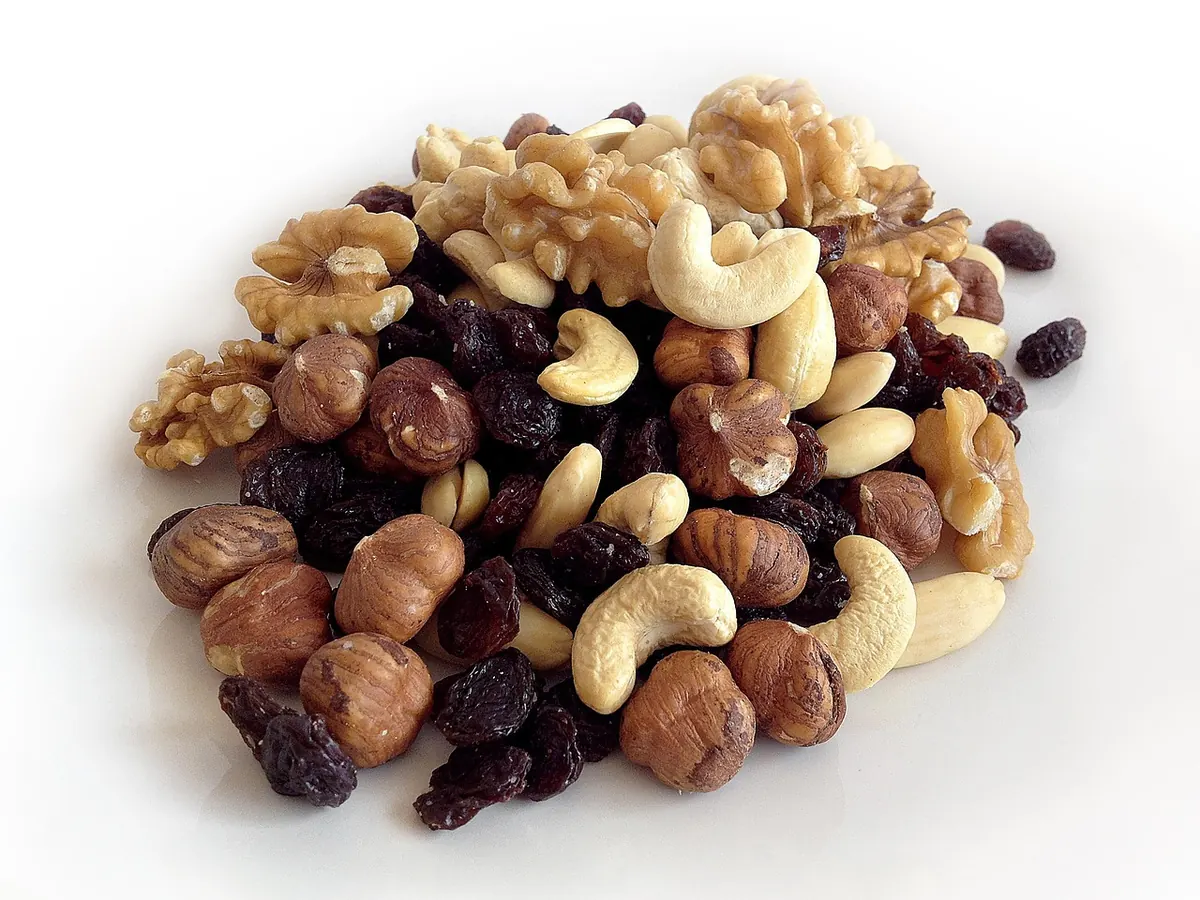
- Every 45–60 minutes: Eat 100–200 calories. That might be a granola bar, a handful of trail mix, a cheese stick with crackers, or a fruit leather plus nuts.
- Every 2–3 hours: Add something more substantial if terrain allows. A tortilla with peanut butter, a tuna packet with crackers, or a boiled salted potato can feel like a real meal.
- When climbing: Switch to easy-to-eat carbs. Chews, gummies, or a soft bar you can eat with one hand while the other holds a trekking pole.
- Last hour: Keep eating if you're still moving. Many hikers stop fueling because camp is close, then arrive shaky and useless for setting up a tent.
Drink water alongside your snacks. Too much dry food without fluid can leave you feeling full and sluggish. Too much water without salt can dilute your electrolytes, especially on hot, sweaty days. Sip steadily, eat salty foods, and adjust based on your thirst, urine color, and how you feel.
What to Pack — and What to Leave Behind
Good trail snacks share a few traits: they're calorie-dense, sturdy, easy to open, and pleasant at room temperature. They don't melt into a disaster, crumble into inedible dust, or require two hands and a clean surface.
- Dried fruit: raisins, apricots, mango, dates. High carb, shelf-stable, and easy to portion.
- Nuts and seeds: almonds, peanuts, cashews, pumpkin seeds. Calorie-dense with fat and some protein.
- Pretzels and crackers: salty, crunchy, and fast carbohydrates. Great for flavor fatigue.
- Hard cheese: individually wrapped cheese sticks or waxed cheddar. Savory, salty, and satisfying.
- Jerky or meat sticks: protein and salt, but don't make them your only snack.
- Tortillas or bagels: sturdy carb carriers for peanut butter, cheese, or tuna packets.
- Gummies, chews, and fruit snacks: pure carbohydrate for steep climbs, when chewing is annoying.
- Chocolate or nut-butter cups: fine in cool weather; messy in summer. Pack them deep and sealed.
- Boiled potatoes rolled in salt: an old mountaineer trick. Weird on paper, wonderful on a long climb.
Leave behind foods that need rehydration, cooking, or a bowl. Save the elaborate lunch for camp. Also skip unfamiliar "health" bars you've never tasted. A hike is not the time to discover that a new fiber-packed bar turns your stomach into a drum. Test snacks on shorter hikes first. Your future self on mile twelve will thank you.
Salt, Water, and the Third Leg of the Stool
Calories and carbs get the attention, but salt is the quiet third leg. When you sweat, you lose sodium, and sodium helps regulate fluid balance, nerve signals, and muscle contractions. Hikers who drink plenty of water but eat only sweet, low-salt snacks can end up feeling weak, headachy, and nauseated. That's not always dehydration. Sometimes it's a sodium problem.
You don't need a complicated electrolyte system for most day hikes. Salty snacks do much of the work: pretzels, cheese, salted nuts, olives, pickles, and even a packet of soy sauce or hot sauce. On hot, humid, or very long hikes, an electrolyte drink mix or salt capsule can help, especially if you're a salty sweater. Learn your own pattern. If your clothes dry with white streaks, you probably need more sodium than the average hiker.
Practice on Short Hikes
The best nutrition plan is the one you've tested. Use shorter hikes as dress rehearsals. Try eating every hour. See which bars survive a warm car, which wrappers are easy to open with cold hands, and which snacks still taste good after four hours. Carry a little extra of whatever works and a little less of whatever you had to force down.
Long hikes are not won by perfect macros. They're won by steady eating, enough salt, and food you're genuinely willing to eat when your legs are tired and the trail keeps going up. Pack simple, eat early, and keep the engine running. The view at the top is better when you're not running on fumes.
Photo: ecogreenlove / Pixabay