The first time you try to book a July campsite in Yosemite Valley, the calendar looks broken. Every loop, every date, grey. That isn't a glitch. It's a six-month reservation window doing exactly what it was designed to do: rewarding people who planned in February for a trip in August. Peak-season camping at the famous parks is less about luck than about knowing which clock is ticking, being ready when it strikes, and having somewhere to sleep when it doesn't work out.
Know Which Clock Your Park Uses
There is no single national booking system, and assuming there is will cost you a summer. Most campgrounds run through Recreation.gov on a rolling window, which means a given date becomes bookable about six months ahead, day by day. Book for August 3 and you're competing for that specific date the moment it opens, not for the whole month at once.
Other parks set their own rhythm. Yosemite, for example, releases sites on the 15th of each month for arrivals roughly five months later, so everyone with a summer trip in mind is on the same page at the same hour. A few parks and concessionaires use their own reservation pages entirely. Before you set an alarm, open the park's official camping page and the campground listing itself, and read the "Reservations" line carefully. It tells you the window, the release day, and the time of day availability appears, which is often something like 7 a.m. Pacific or 10 a.m. Eastern. Confirm the actual time rather than trusting a blog post from three years ago.
Three systems you'll run into
- Rolling window: sites open day by day, roughly six months ahead. Popular dates vanish within a minute of opening.
- Fixed release: an entire month or season goes live at once, usually on a set date and hour, creating a stampede.
- Lottery or permit: common for backcountry routes and a handful of front-country sites. You apply during a window, then wait for a drawing.
Do Your Homework Before Booking Day
Booking day is not the time to browse. Treat it like a race where the course is already mapped. A few days ahead, write down your first, second, and third choices of loop, then the specific site numbers you want inside each one. Site 42 in a shaded loop with a short walk to the water is a real preference; "anything in the park" is not a plan.
Set up your account and save a payment method. Log in the night before to confirm your password still works, because a reset email at 9:59 a.m. is a lost summer. Note the house rules for each site: vehicle length limits, tent pad size, generator hours, whether a site is walk-to rather than drive-up. Check the cancellation policy too, so you know what it costs if plans change.
If you're camping with friends, split the work. One person chases the prime site; another goes after a different loop so nobody wastes a booking on a duplicate. Recreation.gov accounts and park systems vary on how many reservations one account can hold, so read the limits before you double up.
The Booking Morning Playbook
- Log in ten minutes early on a reliable connection. Wired beats shaky hotel Wi-Fi.
- Open the campground page in one tab and your ranked site list in another.
- At the release second, refresh and move. Don't scroll, don't read reviews, don't compare photos.
- Click your first choice, add it to the cart, and check out immediately. Carts empty. Nothing is yours until payment clears.
- If your site is gone, drop to the next name on your list. Hesitation is the only real mistake.
- Consider splitting a longer stay into two shorter reservations in different loops. Two nights here and two nights there still beats a hotel an hour away.
- If it all fails, breathe. Cancellations return to the pool constantly between now and your trip.
Lotteries, Permits, and Park Entry
Backcountry permits at busy parks are usually lottery-based, with applications opening months before the season. Apply for more dates and more trailheads than you actually need, and check whether the permit is per person or per group. A campsite reservation is not a park entry reservation, either. Several parks require a separate timed entry or entry reservation during peak months, and those release on their own schedule. Book the entry pass the same way you'd book the campsite: early, with a reminder on your calendar.
When the Window Has Already Closed
Cancellations cluster around predictable moments. Refund deadlines usually fall a week or two before arrival, and people cancel in the final 48 hours when plans collapse. That means the two weeks before your trip and the day before are prime hunting time. Availability alerts on Recreation.gov and similar tools can do the refreshing for you.
First-come, first-served campgrounds still exist, though there are fewer of them every year. Arrive mid-morning on a Sunday through Wednesday, when weekend campers have cleared out but the next wave hasn't shown up. If the board says full, ask the camp host about no-shows, and check back around checkout time, which is often late morning or early afternoon.
Backup Plans That Still Feel Like a Trip
Widen the map. National forest and BLM land near the park often allows dispersed camping, usually free, sometimes with no facilities at all. State parks, national monuments, and private campgrounds in gateway towns fill later than the marquee sites. So do the less famous campgrounds inside a big park, the ones twenty miles from the main attraction.
Shift the dates if you can. The last week of September, the week after Labor Day, and midweek nights in June all feel like peak season with a fraction of the competition. Shoulder-season camping also means cooler nights, so pack layers and check whether water systems have been shut off for the season.
Dispersed camping rules, fire restrictions, and permit requirements change often and vary by land agency. Confirm the current rules with the managing office before you drive out, and respect closures. A quiet legal spot beats a citation and a ranger knocking at midnight.
A Simple Calendar That Covers You
Six months out, put a reminder on your phone for the exact release date and time, and write your ranked site list. One week out from that release, verify your account, your payment method, and the current rules. On booking morning, execute the steps above without browsing. Two weeks before your trip, start checking for cancellations daily. Forty-eight hours before, check again, and have your backup campground or dispersed site picked out and mapped.
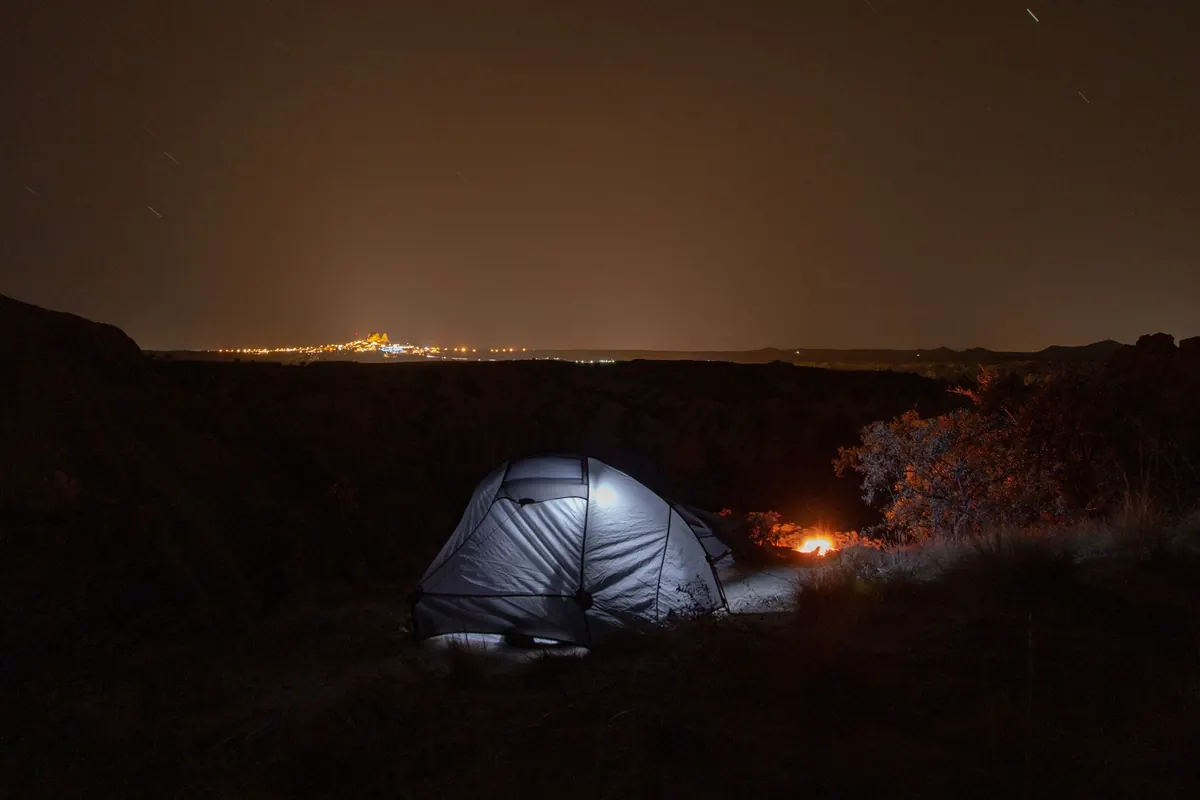
Do that and you're not gambling on a grey calendar. You're working a system that thousands of other campers are also working, with the advantage of preparation. The parks are crowded in July for good reason. Planning ahead is simply how you get to be one of the people standing by the fire when the stars come out.
Photo: shogun / Pixabay