The first overnight backpacking trip is less about mileage than about decisions. Most people who come home sore and happy made the same three calls: they chose a short route, they carried less than they wanted to, and they knew where the water was. None of that requires expensive gear or years of experience. It requires a plan you can still follow when your legs are tired and the light is going.
Here is how to build that plan, one piece at a time.
Pick a Route That Forgives Mistakes
Your first route should be boring in the best way. Look for a trail you could walk out of in three or four hours if something went wrong. Five to eight miles in, camp, five to eight miles out is plenty for a single night. An out-and-back beats a loop for a first trip, because you already know the terrain on the way home and there is no chance of missing a junction in fading light.
Check three things before you commit to a trail:
- Elevation gain. A flat eight miles is easier than four miles with a steep climb. Beginners almost always underestimate how much climbing costs them with a pack on.
- Water sources. Know where you can refill, and whether those sources run late in the season. A creek marked on a map in July may be dry in September.
- Camping options. Some land allows camping only in designated sites, and some forbids it near lakes or trails. You want at least two possible spots in mind, not one perfect one.
If you can, hike part of the route as a day trip first, or do a few local walks with a loaded pack. Two or three hours with weight on your back teaches you more about your gear than any amount of reading.
Get Your Pack Weight Under Control
Almost every beginner's pack is heavy for the same reasons: extra clothes, extra food, and gear borrowed from car camping. Weigh your pack on a bathroom scale before you leave the house. For one summer night, plenty of people are comfortable somewhere between 25 and 30 pounds with food and water included. If you are well over that, something is coming out.
Fit matters as much as weight. Pack the heavy items in the middle of the bag, close to your spine, and tighten the hip belt so the load rides on your hips instead of your shoulders. If your shoulders ache in the first mile, stop and readjust. It takes two minutes and changes the entire day.
What to leave behind:
- Cotton anything — jeans, heavy t-shirts, thick socks. It soaks up sweat and stays wet.
- A second set of camp clothes. One dry layer for sleeping is enough.
- Camp chairs, oversized knives, extra pots, hardcover books. Small weights add up fast.
- Food you might eat. Plan your meals and pack one extra snack instead of three.
A Simple Packing List
- Pack, sleeping bag, sleeping pad, and shelter
- Two liters of water capacity, plus a filter or treatment tablets
- Stove, fuel, lighter, one pot, one spork
- Headlamp, small first aid kit, map and compass or a charged phone with offline maps
- Rain shell, warm layer, spare socks, hat
- Food, small trash bag, toilet paper in a ziplock, hand sanitizer
Sort Permits and Rules Early
Permits are the part people remember the week before, when it is too late. Many popular places — national parks, some wilderness areas, certain state forests — require a reservation, and a few fill up months in advance. Others need nothing at all. The only reliable source is the agency that manages the land you plan to walk on. Check its website, and call the ranger district if anything is unclear.
While you are there, look up three specific rules: whether campfires are allowed, whether a bear canister or food hang is required, and how human waste should be handled. Fire bans change with the season and can be announced days before your trip. Food storage rules exist for good reason, and a raccoon can ruin a night as thoroughly as a bear.
Leave No Trace habits are simple: camp on durable ground, bury human waste six to eight inches deep and well away from water and trails, wash dishes far from streams, and pack out everything you brought in. Rules vary by location, so treat this as a starting point and confirm the details with the land manager.
Plan Food and Water Around Real Days
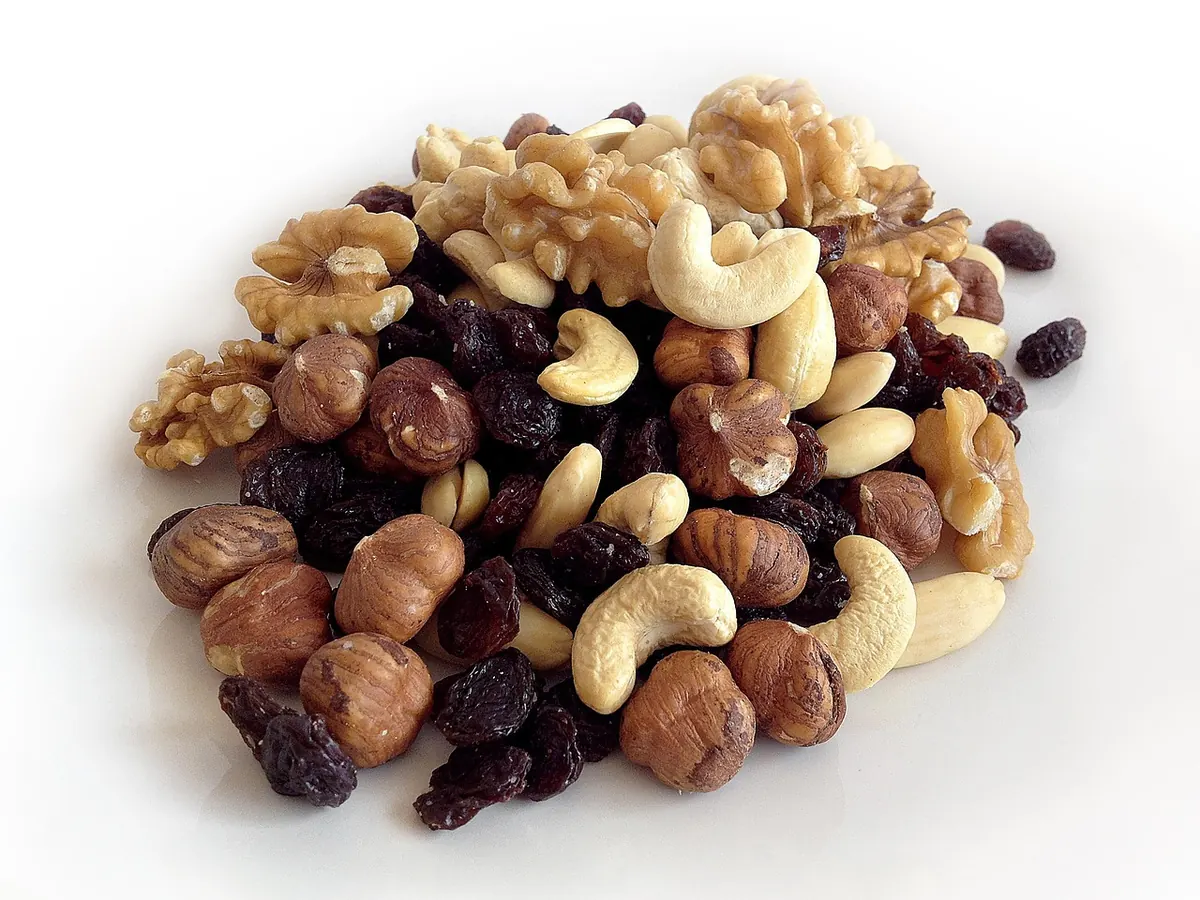
Food on the trail is fuel, not entertainment. Eat a real breakfast before you drive, snack every hour or two while walking, and plan one hot meal for dinner. Freeze-dried meals, instant noodles, oatmeal, tortillas with peanut butter, nuts, dried fruit, and hard cheese all work well. Cans, jars, and anything that needs long cooking are heavy and slow. Bring something salty, and bring one treat you actually look forward to at camp.
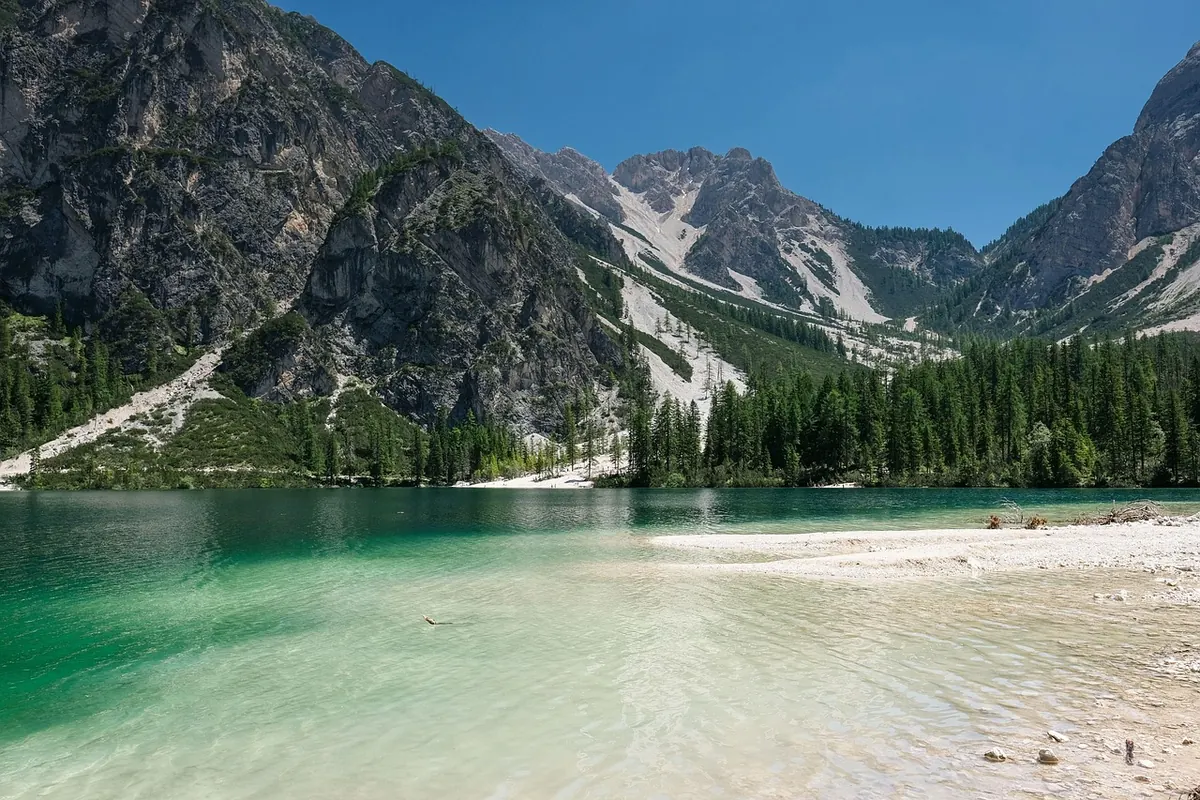
Water deserves more attention than food. Carry at least two liters of capacity, know your refill points, and treat everything you drink from a natural source — a filter or purification tablets are both fine. Fill up at the last reliable source before camp so you are not hiking back down for water in the dark. If the day is hot or the climb is long, drink before you feel thirsty.
If you have a medical condition that affects hydration, salt intake, or exertion, talk to a doctor before your trip rather than after.
A Sample Overnight Itinerary
This is the shape of an easy Saturday-to-Sunday trip. Adjust the times to your own pace.
- Friday evening: Pack completely, weigh the pack, download offline maps, charge your headlamp and phone, and set out tomorrow's clothes.
- Saturday, 7 a.m.: Eat breakfast, fill your bottles, drive to the trailhead.
- 9 a.m.: Arrive, sign the trail register, loosen your straps for the climb, and start slower than feels natural.
- 10:30 a.m.: Short break. Water and a snack. Ten minutes, packs off.
- 1 p.m.: Lunch at a view or a creek, twenty minutes with the pack off your back.
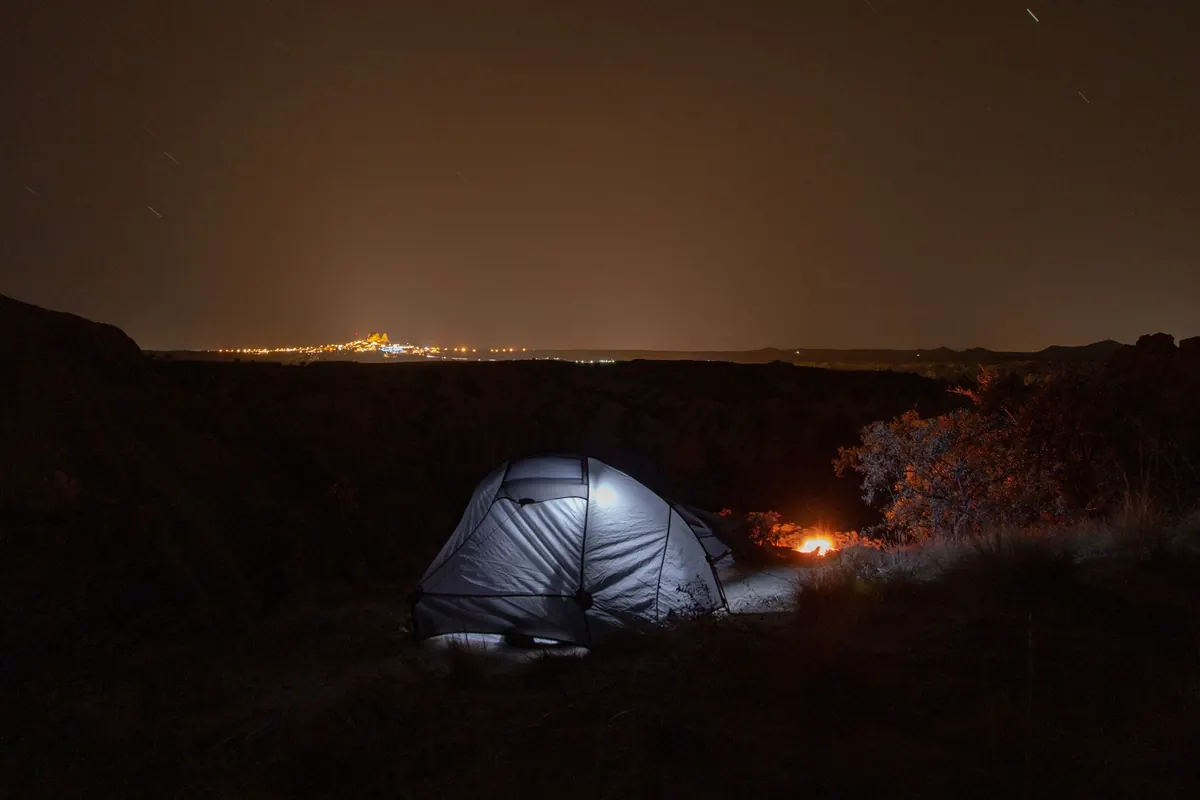
- 3 p.m.: Reach camp with two hours of daylight to spare. Filter water first, then set up shelter, then change into dry layers.
- 5:30 p.m.: Dinner, then store your food properly and clean up.
- 8:30 p.m.: In the sleeping bag. Going to bed before dark is completely normal out there.
- Sunday, 7 a.m.: Coffee, breakfast, pack up, walk out. Aim to be back at the car by early afternoon.
Arriving at camp with daylight left is the single biggest comfort upgrade on a first trip. Everything is easier when you can see it.
Start Small, Finish Happy
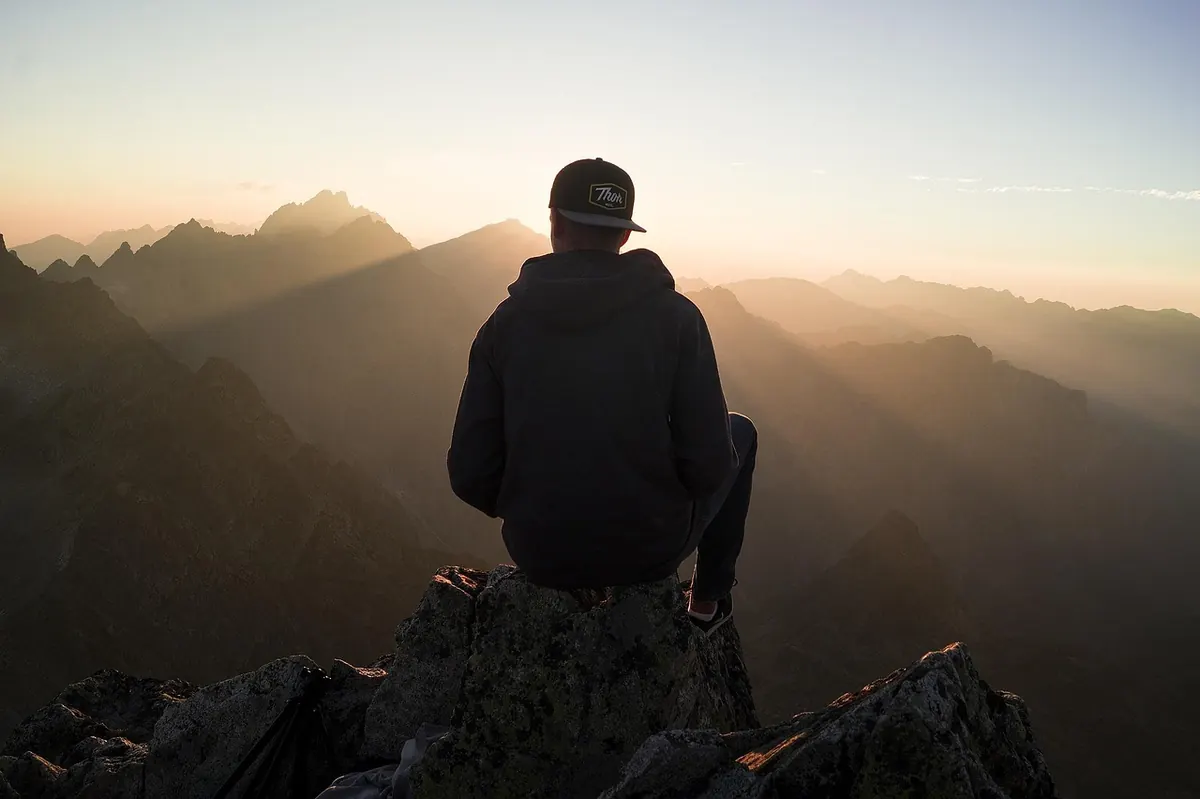
Tell someone responsible where you are going and when you expect to be back, and leave them the route. Carry the essentials even on a short trip: light, warmth, water, food, first aid. If a storm rolls in, if the trail is harder than expected, or if you simply are not having fun, turn around. The mountain will still be there next month, and a short first trip that ends well is worth more than a long one that ends badly.
Afterward, spread your gear on the floor and notice what you never touched. That pile is the beginning of your second trip's packing list, and your pack will be lighter for it.
Photo: Pexels / Pixabay