Every seasoned gambler has a story about a gut feeling that paid off. The guy who doubled down on 16 because the dealer "looked nervous." The slots player who swore a machine was "due" after an hour of dead spins. These stories are fun at the bar, but they reveal a dangerous misunderstanding about how casino games actually work. If you want to survive in iGaming — let alone profit — you need to separate the myth of intuition from the mathematics of probability.
Why 'Due for a Win' Is the Most Expensive Lie in Gambling
Slot machines are the most profitable product for casinos for a simple reason: players believe outcomes have memory. They don't. A modern video slot uses a random number generator (RNG) that cycles through millions of combinations every second, independent of what happened on the previous spin. If a machine has a 96% return-to-player (RTP) rate, that doesn't mean you'll get back $96 for every $100 you cycle through in a session. It means over millions of spins, the house keeps about 4%.
Here's a concrete example. A slot with 96% RTP and high volatility can easily go 500 spins without a bonus trigger. That's not a malfunction. That's the math working exactly as designed. Low-volatility slots hit small wins more often, while high-volatility titles like Book of Dead or Money Train 4 are built to deliver rare, massive payouts. If you chase a high-volatility slot expecting consistent returns, you'll burn your bankroll before the variance evens out.
- Low volatility: frequent small wins, ideal for long sessions with small stakes.
- Medium volatility: balanced risk and reward, good for most recreational players.
- High volatility: rare but huge payouts, requires a big bankroll and strong nerves.
Sports Betting: Beating the Closing Line Is the Only Real Edge
In betting, intuition is even more expensive. The 2023-24 NFL season saw roughly 70% of public bettors lose money on parlays, according to industry tracking data. Why? Because parlay odds are multiplicative, and the bookmaker's margin compounds with every leg you add. A two-leg parlay might carry a 4.5% hold; a ten-leg parlay can push the hold north of 20%.
The sharpest bettors don't rely on team loyalty or "momentum." They track closing line value (CLV). If you bet the Chiefs at -3 on Tuesday and the line closes at -6 on Sunday, you got a great number — even if the bet loses. Over hundreds of bets, consistently beating the closing line is the single strongest predictor of long-term profit. Professional syndicates hire former quants and data scientists for exactly this reason. They treat betting like a financial market, not a casino floor. A good place to continue is 78Win.
Actionable tip: line shop across at least three sportsbooks. A half-point difference in NBA spreads or a 5-cent difference in moneyline odds can swing your ROI by 2-3% annually. That's the difference between a losing hobby and a profitable side hustle.
Poker Tells: What Actually Works and What's Hollywood Nonsense
Movies have convinced the public that poker tells are about shaky hands and darting eyes. In reality, the most reliable tells are betting patterns, not body language. A player who suddenly changes their bet sizing from half-pot to three-quarters pot on the river is usually polarizing their range — either a monster or a bluff. A player who checks twice then calls a big bet is rarely strong. For a closer look, 78 Win has helpful details.
That said, physical tells still exist at live tables. Here are a few that hold up under scrutiny:
- Instant calls on the river often indicate a draw that missed or a weak pair. Strong hands usually take a moment to consider a raise.
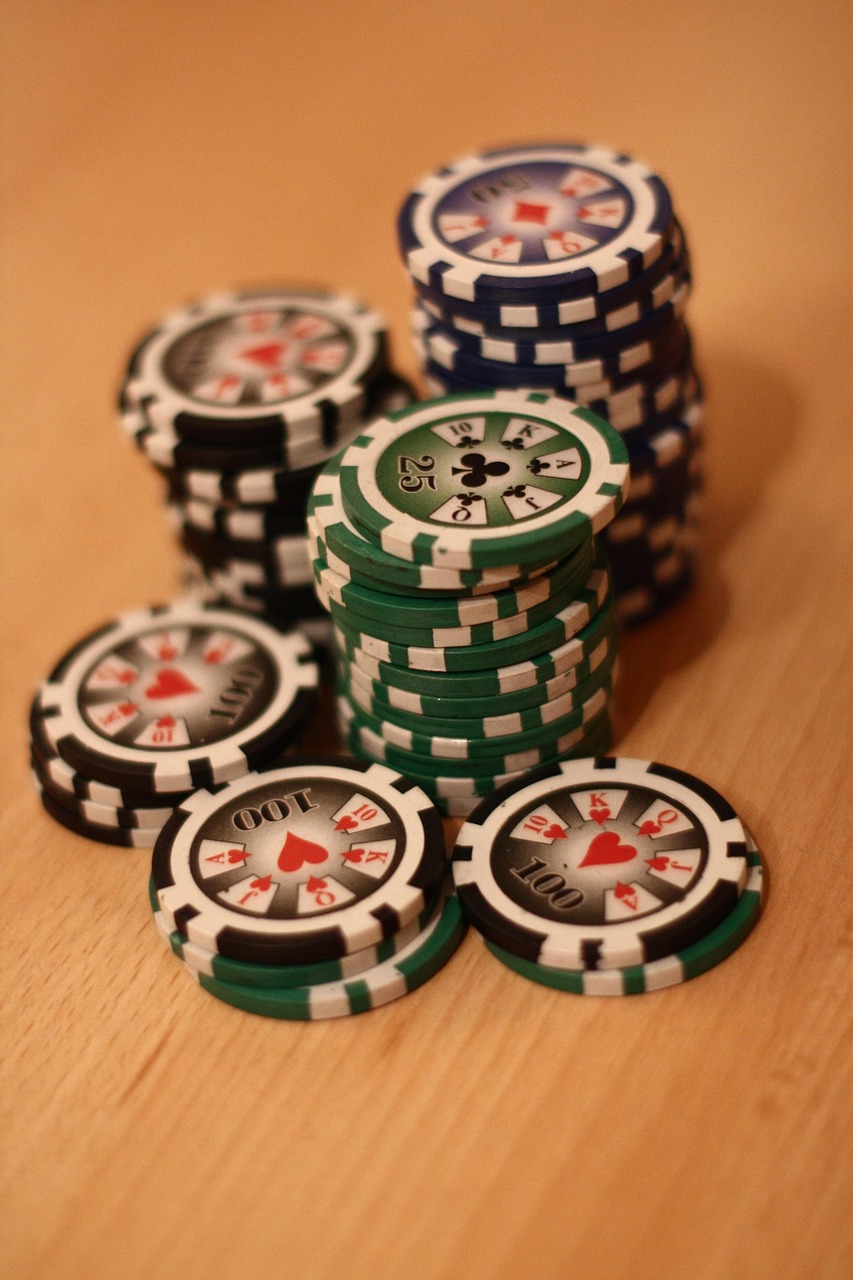
- Chip stacking changes matter. A player who suddenly organizes their chips into neat stacks after a big bet is often bluffing — it's a subconscious attempt to look calm and controlled.
- Eye contact is unreliable. Some liars stare you down; others look away. Use betting history, not eye contact.
The best poker players combine physical observation with HUD stats like VPIP (voluntarily put money in pot) and PFR (pre-flop raise). If a player has a VPIP of 45% and a PFR of 5%, they're a calling station — don't bluff them. If a player has a VPIP of 18% and a PFR of 15%, they're a nit — steal their blinds relentlessly.
Bankroll Management: The Unsexy Skill That Separates Winners From Busts
You can read every book on poker tells and slot variance, but without bankroll discipline you'll still go broke. The rule is simple: never risk more than 2% of your total bankroll on a single bet or buy-in. For slots, that means if you have $500 dedicated to gambling, your spin size should be $0.50 or less. For poker cash games, a $1/$2 no-limit hold'em game requires a $4,000 bankroll to withstand normal downswings.
Sports bettors should use flat betting — 1-2% of bankroll per play — rather than chasing losses with increased stakes. The martingale system (doubling after every loss) is mathematically guaranteed to fail eventually because table limits and bankroll limits will stop you before the universe runs out of red numbers on roulette.
- Set a monthly loss limit and walk away when you hit it.
- Track every bet in a spreadsheet — date, sport, odds, stake, result, and closing line.
- Review your results monthly. If you're not beating the closing line, stop betting that market.
The Rise of AI and What It Means for Recreational Players
iGaming operators now use machine learning to detect problem gambling behavior in real time. Algorithms flag sessions with escalating stakes, frequent deposit reversals, and marathon play. That's good for harm reduction, but it also means the house knows more about your habits than ever before. Meanwhile, sharp bettors use AI tools to model expected goals (xG) in soccer, pace-adjusted efficiency in basketball, and pitcher fatigue in baseball.
For the average player, the takeaway is not to build a neural network. It's to accept that the edge in iGaming belongs to those who treat it as a probability game, not a luck game. You won't out-slot the RNG. You won't out-tell a seasoned poker pro. But you can out-discipline the 90% of players who chase losses, ignore variance, and believe in "due" machines.
At the end of the day, the casino doesn't beat you with luck. It beats you with math, psychology, and time. The only counter is to flip the script: use math to choose your games, psychology to read your opponents, and time to grind out a small, sustainable edge. It won't make you a millionaire overnight. But it will keep you in the game long enough to actually enjoy it.